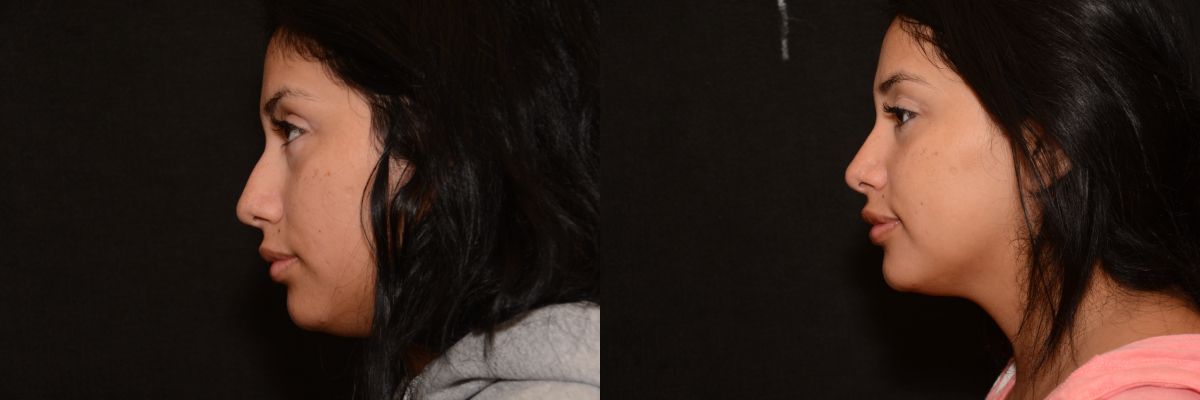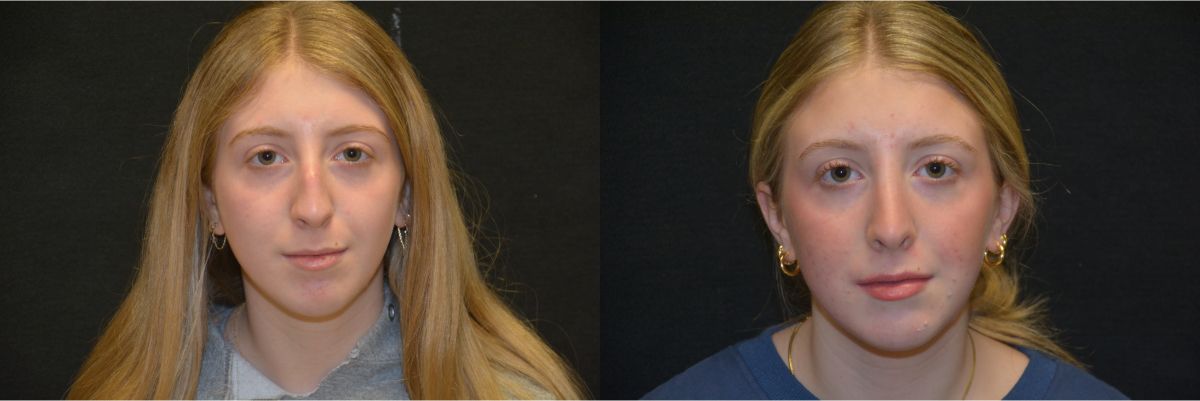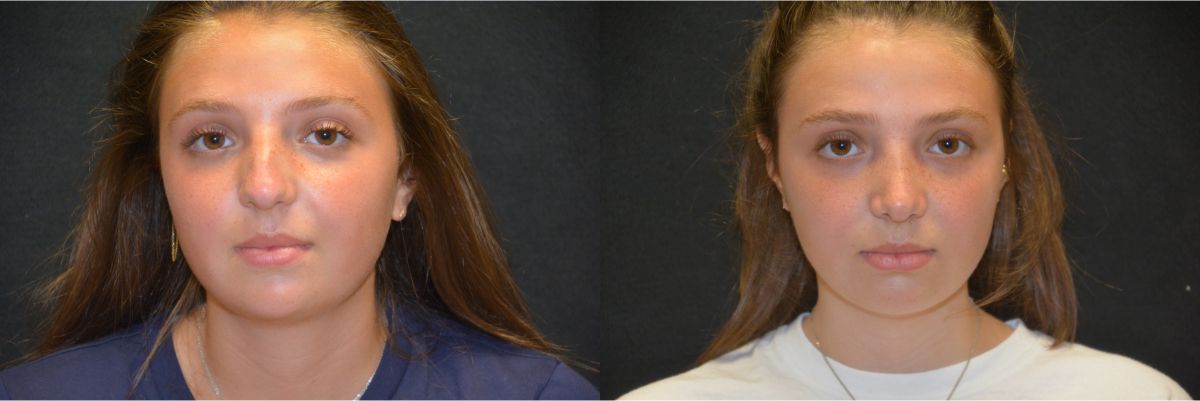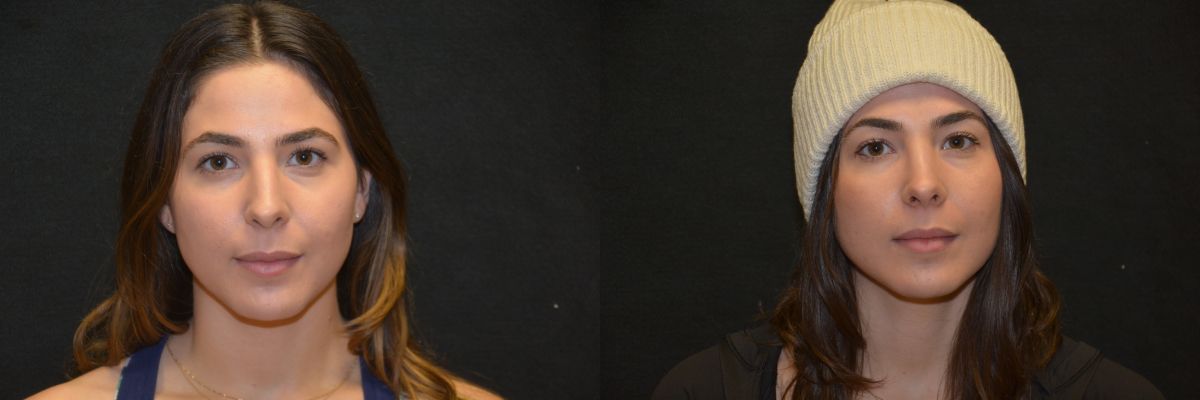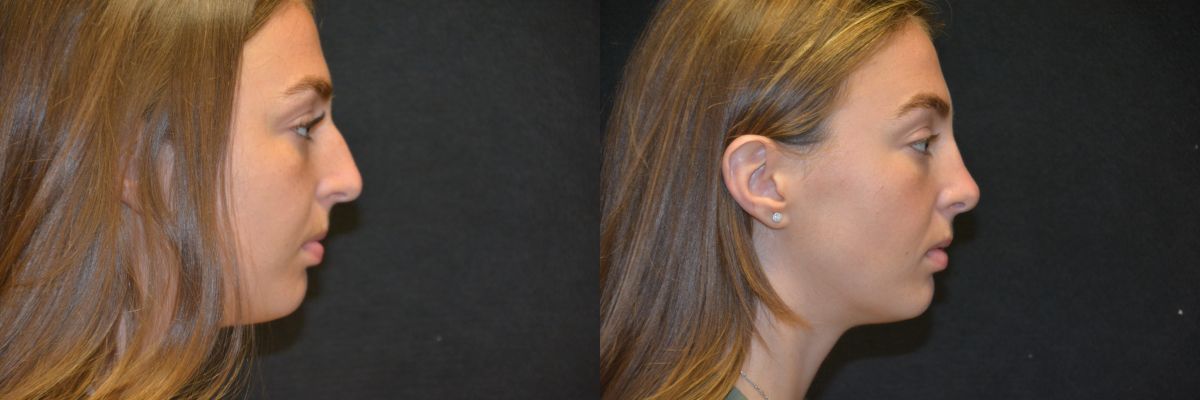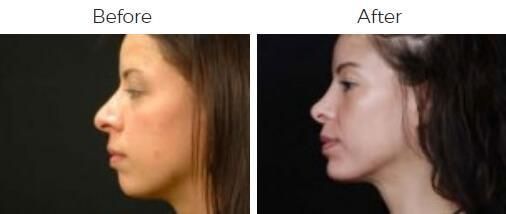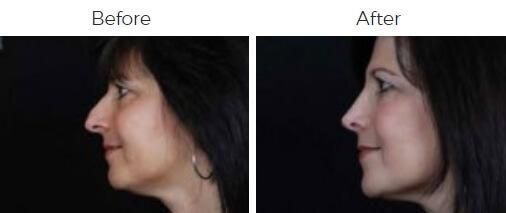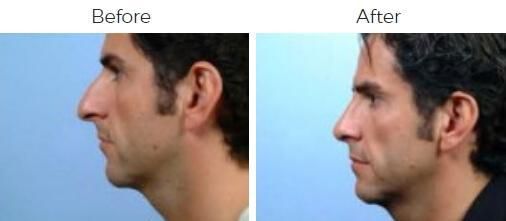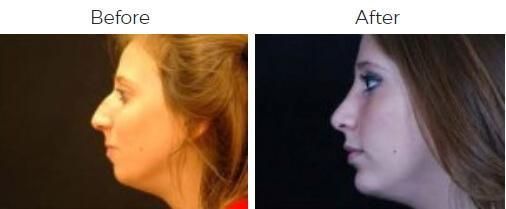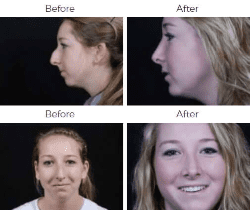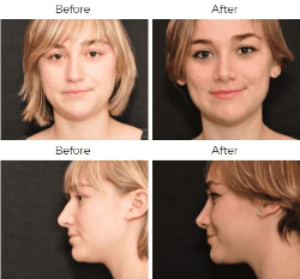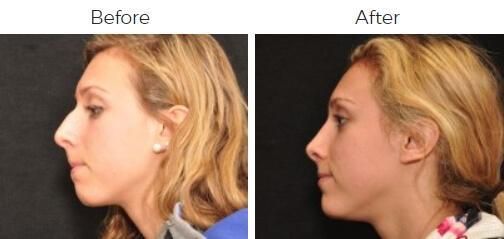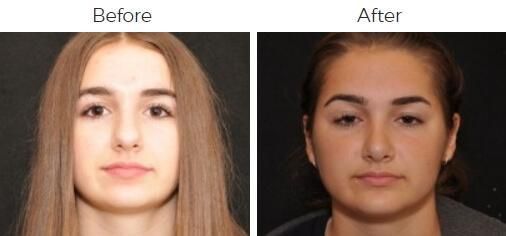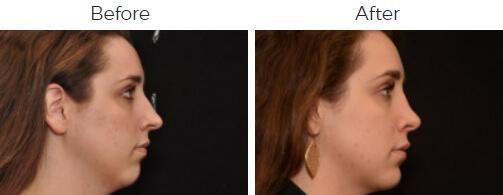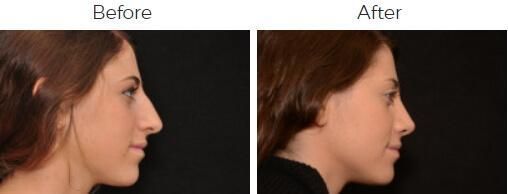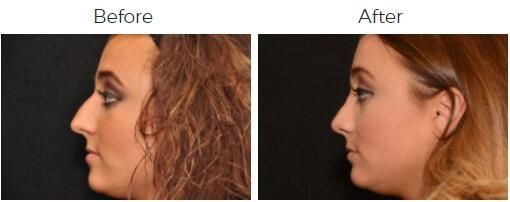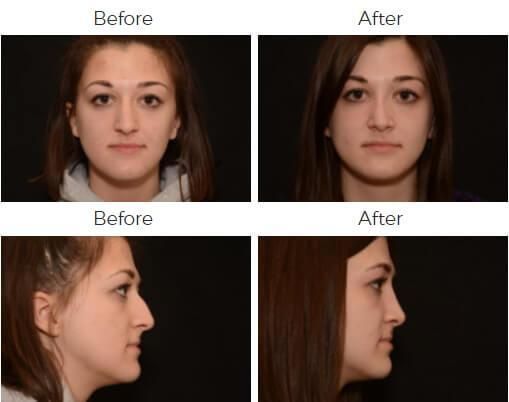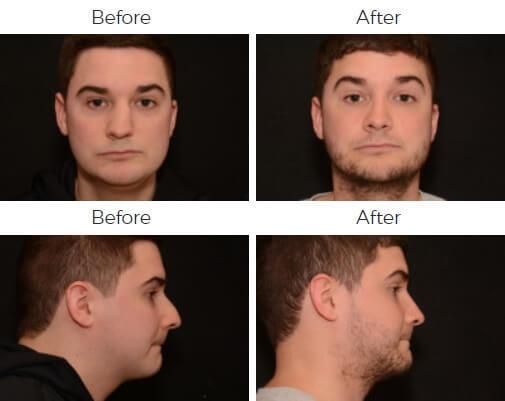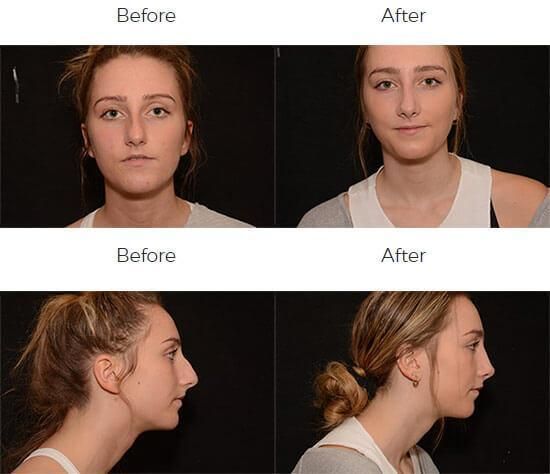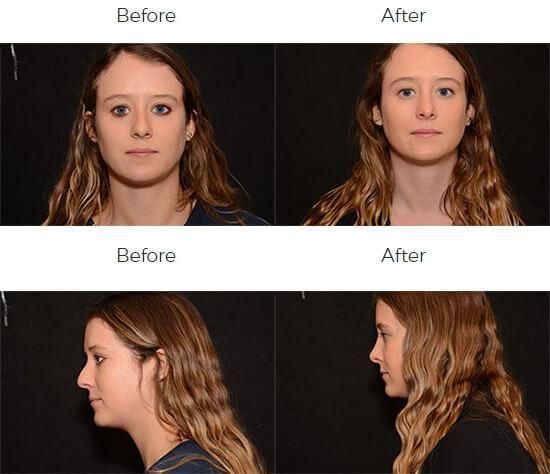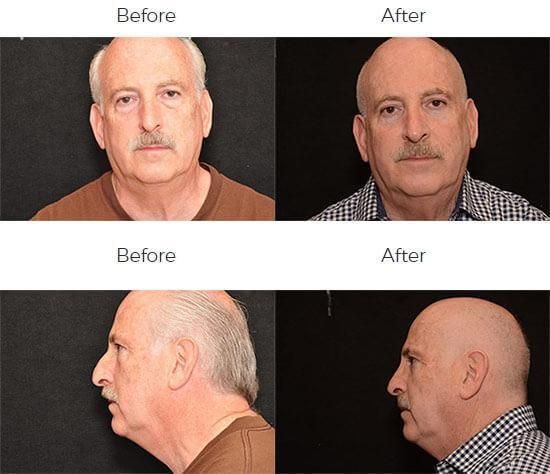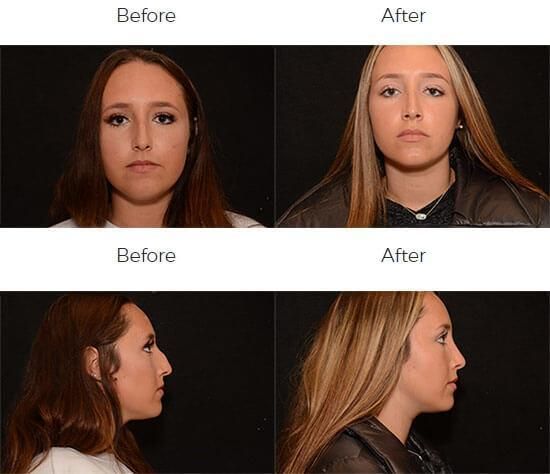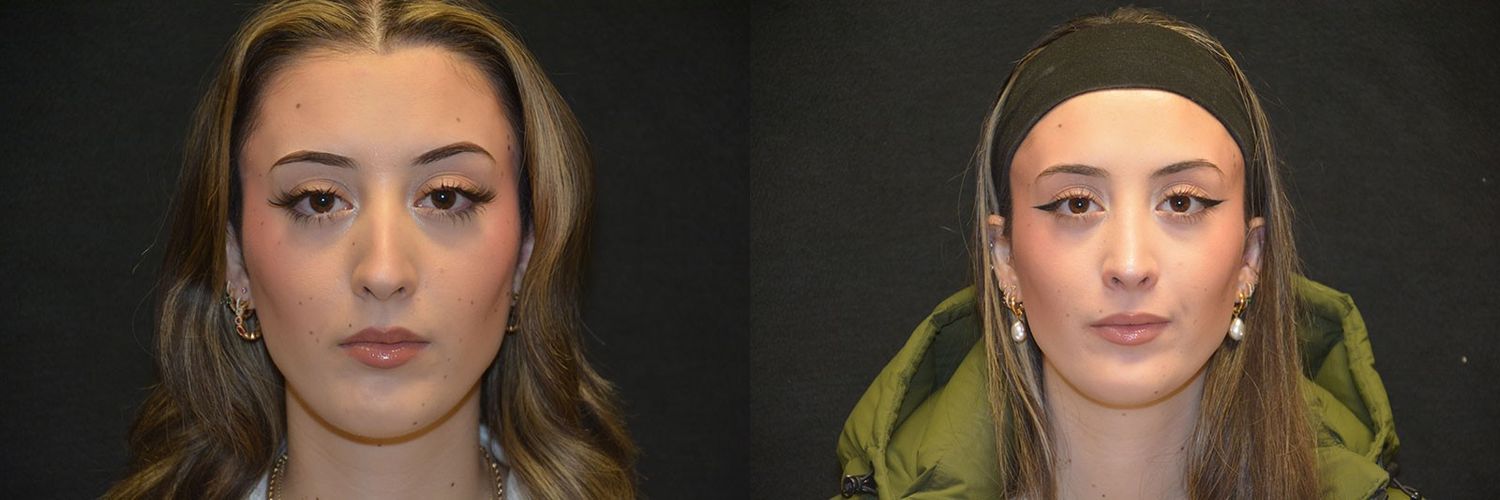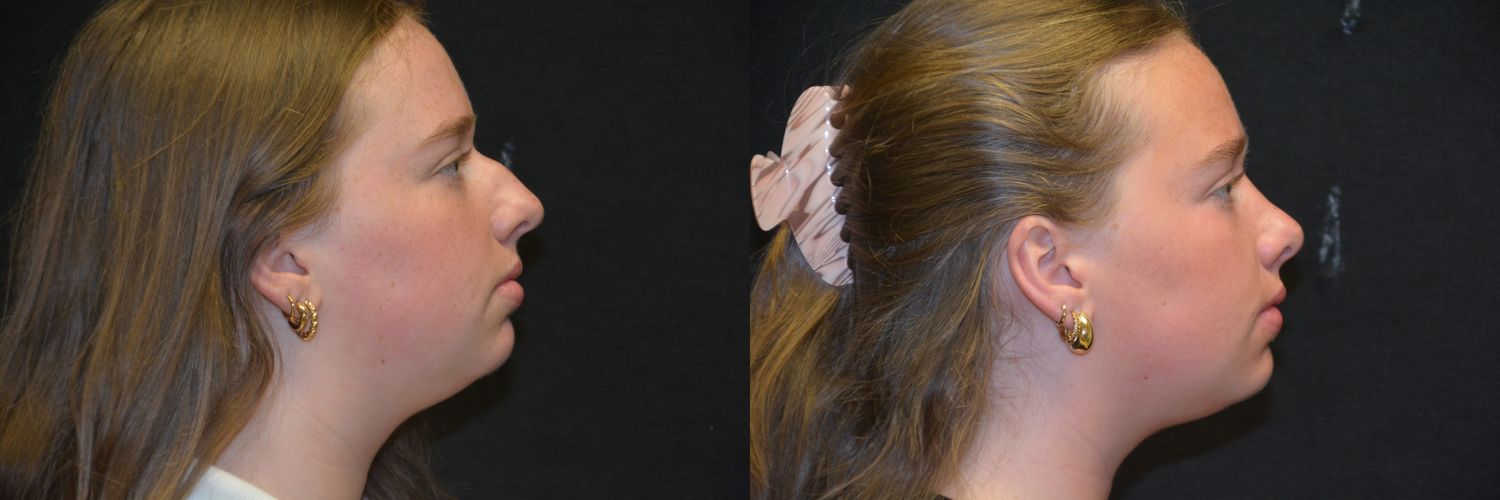


Ethnic rhinoplasty is nose reshaping surgery with a higher level of responsibility. It’s about improving shape, balance, and function while respecting the facial features that connect you to your ethnic heritage. At Body by Bloch in Highland Park, IL, Dr. Steven Bloch brings decades of plastic surgery experience to rhinoplasty procedures for patients from Chicago, the North Shore, and surrounding communities. His approach is careful, personal, and built around one idea: a beautiful nose should still feel like it belongs to you.
1 of 24
Ethnic rhinoplasty is a specialized form of rhinoplasty surgery that considers a patient’s ethnicity, facial anatomy, skin thickness, nasal structure, and aesthetic goals. The procedure may refine the nasal bridge, improve the nasal tip, adjust nostril shape, or strengthen structural support while preserving cultural identity.
Traditional rhinoplasty has often been shaped around features more common among Caucasian patients. Our Highland Park ethnic rhinoplasty procedures require a more nuanced eye because patients who are African American, Asian, Middle Eastern, or have other backgrounds can involve different nasal anatomy. Thick skin, softer cartilage, a lower nasal bridge, wider nostrils, or stronger dorsal features may all influence the customized surgical plan.
This isn’t a one-template nose job. Dr. Bloch studies the nose in relation to the chin, cheeks, eyes, and other facial features so the final result supports facial balance. The goal is a natural-looking nose that enhances your overall appearance without erasing the subtle differences that make your face distinct.

Ethnic rhinoplasty in Highland Park can improve both appearance and breathing when performed with surgical judgment and respect for identity.
Ethnic rhinoplasty can help:

Good candidates for ethnic rhinoplasty in Highland Park are patients who want to change the shape, proportion, or function of the nose while keeping their ethnic identity intact. Many patients come in after years of thinking about rhinoplasty in Chicago but feeling concerned that surgery could make their nose look too generic.
Most patients should be in good health, have realistic expectations, and understand that healing can vary based on skin thickness, cartilage strength, and the amount of reshaping performed. Patients with thick skin may need extra patience during the recovery process because swelling can take longer to resolve, especially around the nasal tip.
Ethnic rhinoplasty may be a strong option for African American patients who want more definition, Asian rhinoplasty patients seeking bridge refinement or tip support, and Middle Eastern rhinoplasty patients who want to soften a prominent bridge while keeping strength and character. It can also help patients from Latin America and other or mixed ethnic backgrounds who want refinement that still honors their features.
Some patients want to build the nasal bridge, while others want to reduce or smooth it. Asian rhinoplasty may involve bridge augmentation with cartilage or other support, while Middle Eastern rhinoplasty often focuses on refining a stronger bridge without flattening the profile.
The nasal tip is one of the most important parts of ethnic rhinoplasty. Thick skin, softer cartilage, or weak tip support can make the tip appear round or underdefined. Highland Park ethnic rhinoplasty surgeon, Dr. Bloch may refine and support the tip so it looks cleaner from the front, side, and three-quarter view.
Nostril width and shape can influence the entire nose. In some ethnic rhinoplasty procedures, small changes to the nostrils can improve balance while keeping the result consistent with the patient’s ethnic background.
Cosmetic goals often overlap with function. If the underlying structures are contributing to breathing difficulties, Dr. Bloch can address those concerns during nose surgery.
Revision rhinoplasty may be recommended when a previous surgery created imbalance, weakened support, or changed the nose in a way that doesn’t fit the face. These cases can require rib cartilage or other grafting methods to rebuild structure.

Your initial consultation is where the plan starts taking shape. Dr. Bloch reviews your medical history, examines your nasal structure, evaluates skin thickness, and talks through your goals in detail. He’ll ask what you want to improve and what you want to preserve. That second part matters.
You’ll also discuss prior surgery, breathing concerns, cultural identity, and the kind of result that feels right for your face. Some patients bring photos. Others simply know what bothers them from certain angles. Both are useful.
Before an ethnic rhinoplasty Highland Park patients will receive clear instructions about medications, supplements, smoking, and scheduling support at home. If your case involves reconstructive surgery, revision rhinoplasty, or rib cartilage, Dr. Bloch will explain the added steps and how they may affect healing.
Ethnic rhinoplasty is usually performed under general anesthesia, though local anesthesia may be used in select cases or minor procedures. Dr. Bloch may use open rhinoplasty or closed rhinoplasty depending on your anatomy and the amount of correction needed.
Open rhinoplasty uses a small external incision between the nostrils, which gives the surgeon more access to the underlying structures. This can be helpful for complex rhinoplasty procedures, revision work, nasal tip support, or cases requiring grafting. Closed rhinoplasty places incisions inside the nose, which can minimize scarring in the right patient.
During surgery, Dr. Bloch may reshape cartilage, refine bone, build support, adjust the nasal tip, or improve airflow. Every move is guided by proportion. Your nose should work with the rest of the face, not compete with it.
Ethnic rhinoplasty recovery takes patience. Most patients return to work or social routines in one to two weeks, though swelling can last longer. You’ll need to keep your head elevated, avoid strenuous exercise, and follow aftercare instructions closely during the early recovery process.
Bruising and swelling are expected at first. The bridge often refines sooner, while the nasal tip may take months to settle, especially in patients with thick skin. This is normal. Final surgical results can continue to evolve for a year or longer.
Dr. Bloch will monitor your healing and explain what to expect at each stage. The goal is steady progress, not a rushed reveal.
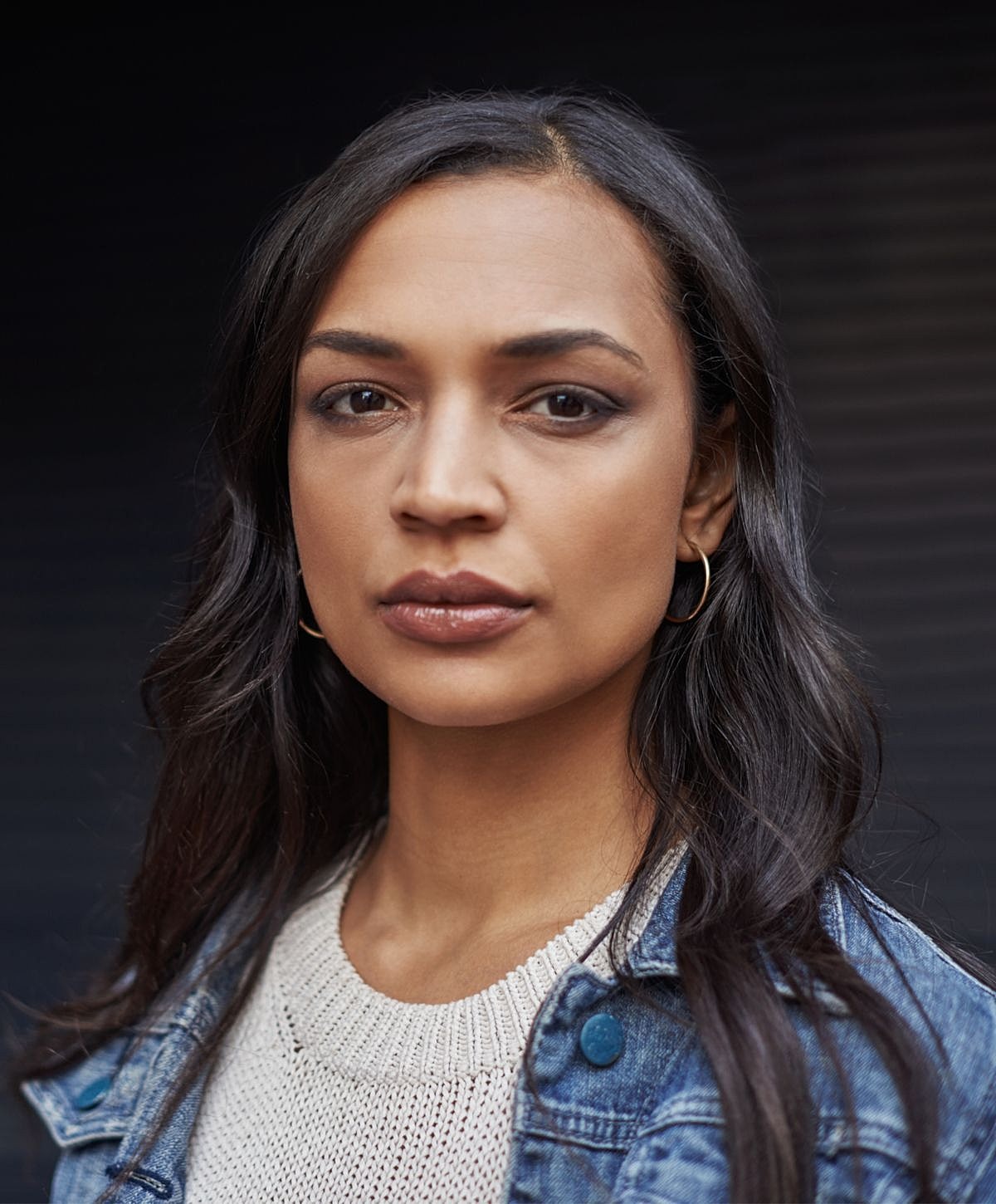
The best ethnic rhinoplasty result looks balanced, expressive, and connected to the rest of the face. The nose may look smoother, more defined, or better supported, but it shouldn’t look disconnected from your ethnic heritage.
Many Highland Park ethnic rhinoplasty patients want subtle changes. Others need more structural work. Dr. Bloch builds the plan around your facial features, skin, cartilage, and goals so the result feels personal. Natural-looking results come from restraint, planning, and a clear understanding of facial anatomy.
Ethnic rhinoplasty cost varies based on surgical complexity, anesthesia, facility fees, grafting needs, revision work, and the amount of time required in surgery. A primary rhinoplasty is usually different from revision rhinoplasty, and a case requiring rib cartilage or reconstructive surgery may involve more planning.
During your consultation, Body by Bloch will provide a clear cost breakdown based on your customized surgical plan. You’ll know what’s included before making any decisions.
Ethnic rhinoplasty requires experience with diverse facial anatomy, strong surgical judgment, and respect for the patient’s identity. Dr. Steven Bloch is a plastic surgeon with extensive experience treating patients across the Chicago area. His background in plastic surgery, reconstructive surgery, and facial plastic techniques gives him a deep understanding of both form and function.
Patients searching for ethnic rhinoplasty in Chicago often want the best ethnic rhinoplasty result for their face, not a trend. At Body by Bloch, the focus stays on balance, safety, and natural-looking results that honor your unique features.
Your nose plays a central role in how your face looks, but it also carries family, culture, and identity. If you’re considering ethnic rhinoplasty in Highland Park or the greater Chicago area, Dr. Bloch can help you understand your options with care and clarity.
Call today or request your consultation online to begin the conversation.
Yes. Ethnic rhinoplasty considers ethnic background, skin thickness, cartilage strength, and cultural identity when planning nose reshaping surgery.
That’s the goal. Dr. Bloch focuses on subtle changes that improve facial balance while preserving ethnic heritage and personal character.
No. It can address breathing difficulties, nasal structure concerns, and reconstructive needs along with cosmetic goals.
Most patients return to normal routines within one to two weeks, though swelling can take several months to fully settle.
Yes. Thick skin can make refinement slower to appear, especially around the nasal tip. Dr. Bloch will explain what’s realistic for your anatomy.
Open rhinoplasty uses a small external incision for greater access. Closed rhinoplasty uses internal incisions and may be appropriate for more limited changes.
Yes. Revision rhinoplasty can address structural or aesthetic concerns from a previous nose surgery, though it often requires more planning and support.